Uncategorized
The Pathway to Trading Under AfCFTA

May
Hello reader,
Welcome to the first issue of my bi-weekly newsletter on everything to do with trading under the African Continental Free Trade Area Agreement (AfCFTA). In this newsletter, I will attempt to make it easier for anyone interested in understanding the benefits of the AfCFTA and also shed light on the enormous potential of this landmark agreement.
In today’s edition, we explore the pathway to trading under AfCFTA:
The African Continental Free Trade Area (AfCFTA) represents a transformative step for Africa, aiming to reshape the continent’s economic landscape by fostering deeper integration and unlocking intra-African trade. Yet, the journey to trading under AfCFTA is neither simple nor automatic.
It demands a clear understanding of what the agreement entails, the requirements for participation, and the operational mechanisms that underpin this ambitious project.
Understanding AfCFTA
AfCFTA is the world’s largest free trade area, encompassing 55 African Union member states and a combined population of over 1.4 billion people. The agreement’s core objective is to eliminate tariffs on 90% of goods traded within the continent, with the ultimate goal of reaching near-total free trade on at least 97% of goods.
More developed African countries are expected to achieve zero tariffs within five years, while less developed nations have a ten-year window to do so. The agreement also targets the removal of non-tariff barriers, harmonization of trade policies, and the creation of a single, unified African market.
The AfCFTA was officially signed in Kigali, Rwanda, on 21 March 2018, by 44 countries. It came into force on 30 May 2019, after the required 22 ratifications were secured. Since then, participation has expanded, with 49 out of 54 African countries joining and 23 having fully implemented the new trade rules.
Requirements for Participation
To trade under AfCFTA, member states must complete three key steps: sign the agreement, ratify it through their national processes, and deposit their “instruments of trade” with the African Union Commission. These instruments are not mere formalities—they are the operational backbone of the free trade area.
The instruments of trade include:
- Rules of Origin: These determine which goods qualify for preferential tariff treatment, ensuring that only products with significant African content benefit from reduced tariffs.
- Tariff Concessions: Each country must provide a detailed schedule outlining how and when tariffs will be reduced or eliminated for specific products.
- Online Negotiating Forum: This digital platform allows member states to negotiate and exchange offers, streamlining the agreement process.
- Monitoring and Elimination of Non-Tariff Barriers (NTBs): Mechanisms are in place to identify and resolve obstacles other than tariffs that impede trade, such as quotas or cumbersome customs procedures.
- African Trade Observatory: A centralized data platform collects and disseminates trade statistics and market information, improving transparency and decision-making.
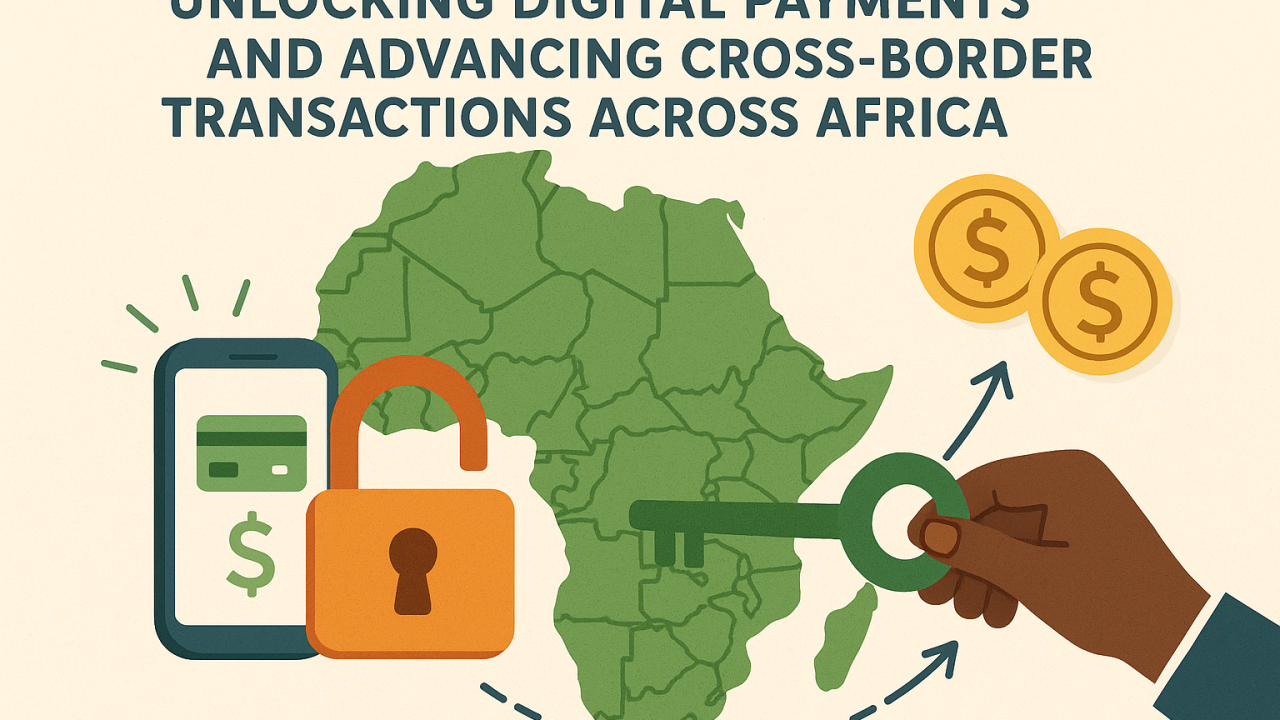
- Digital Payment Systems: The Pan-African Payment and Settlement System (PAPSS) enables cross-border payments in local currencies, reducing reliance on foreign currencies and simplifying transactions. While this platform is not operational in all countries currently, countries are being onboarded with the goal of total participation. There are African banks that currently facilitate payments in local currency to other countries which reduces the requirement and significant expense of foreign currency.
- Legal Protocols: These establish the rules for trade in goods and services, investment, intellectual property, competition policy, and dispute resolution.
Currently, 43 out of 54 eligible countries have deposited their instruments of trade, a crucial milestone for operationalizing the agreement. The AfCFTA Secretariat has achieved consensus on rules of origin for 92% of traded products, further simplifying cross-border business and ensuring most goods move under harmonized guidelines.
The Road Ahead
While the AfCFTA has made significant strides, full implementation remains a work in progress. Governments must continue to prioritize reducing tariffs, eliminating non-tariff barriers, and harmonizing trade regulations. Investments in infrastructure, digital technologies, and capacity-building for small and medium-sized enterprises are vital for maximizing the agreement’s benefits.
In summary, trading under AfCFTA is a multi-step process requiring legal, technical, and institutional alignment. The instruments of trade are central to its success, ensuring that the vision of a unified African market becomes a practical reality.